
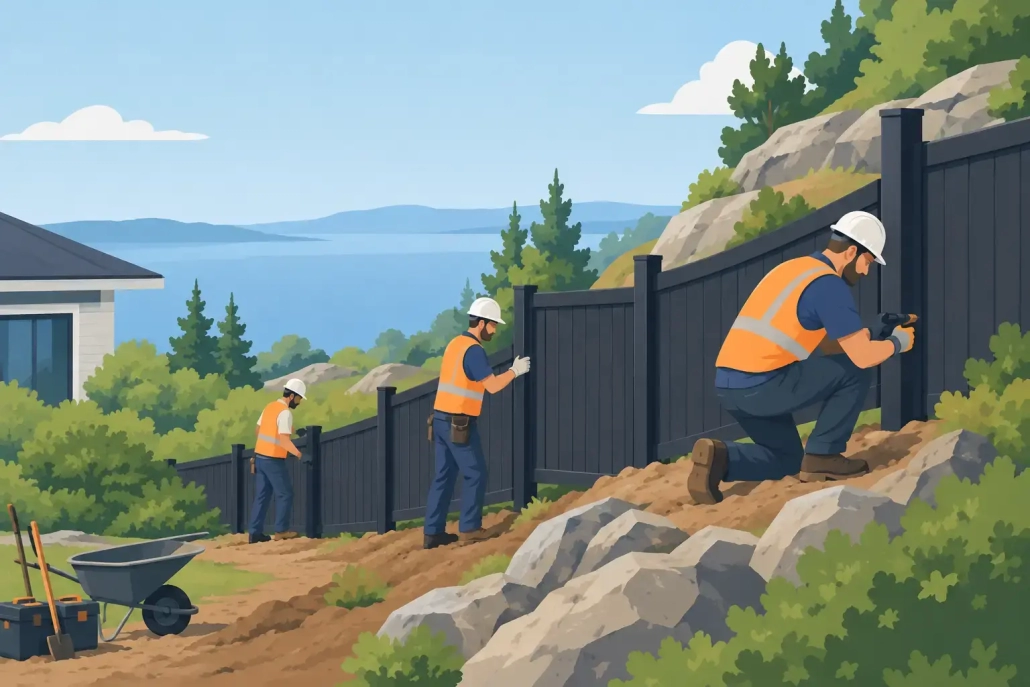
How Fence Contractors Handle Difficult Sites
A fence can look straightforward from the street. The real work often starts below ground, at the property line, or where the grade changes. Experienced fence contractors know that a durable result depends on more than selecting panels and posts. It depends on understanding the site before the first hole is dug.
For homeowners, acreage owners, and commercial property managers, that distinction matters. A poorly planned fence may lean, gap at the bottom, fail to contain animals, or create disputes around access and boundaries. The right contractor looks at the whole job: purpose, layout, terrain, materials, post installation, gates, and the conditions that can make one property very different from the next.
Start With the Job the Fence Needs to Do
The best fence is not always the tallest, most expensive, or most decorative option. It is the fence that solves the actual problem on the property.
A cedar privacy fence may be the right choice for a backyard where neighbors are close and appearance matters. Chain link can make more sense for a commercial yard, dog run, sports area, or secure perimeter where visibility and value are priorities. Deer fencing and wire fencing are practical choices for rural properties, gardens, farms, and acreage where keeping wildlife out or livestock in is the main concern. Ornamental fencing can define an entry, protect a pool area, or provide security without making a property feel closed off.
A capable contractor will ask direct questions early. Is the fence for privacy, containment, security, appearance, or a combination of those needs? Does it need to resist wildlife pressure? Will a gate need to accommodate a vehicle, equipment, or regular deliveries? These answers affect the material, height, post spacing, and construction method.
What Fence Contractors Should Assess Before Building
A proper site assessment prevents expensive changes after materials arrive. A good estimate should account for the realities of the site, not just the number of linear feet on a sketch.
Grade, soil, and drainage
Sloped lots require careful planning. A fence can follow the contour of the land, step down in sections, or use a combination of both. Each approach has trade-offs. Following the grade can create a clean visual line but may leave openings below the fence. Stepping the panels can close those gaps but produces a more tiered appearance.
Soil conditions matter just as much. Loose soil, rocky ground, compacted fill, roots, and wet areas all affect how posts are set. In some locations, standard digging is not enough. Posts may require concrete, deeper excavation, specialized equipment, or a different layout to create a stable foundation.
Drainage deserves attention, especially where water naturally runs along a fence line. A fence should not interrupt drainage in a way that creates pooling, erosion, or pressure against the structure. This is one of those details that is easy to miss until heavy rain exposes the problem.
Rock, concrete, and restricted access
Vancouver Island properties can present tough ground conditions, including bedrock, boulders, old concrete, retaining walls, and compact sites with limited equipment access. These are not reasons to cut corners. They are reasons to bring the right tools and plan.
Jackhammering and concrete drilling may be required when a fence must be installed near existing hard surfaces or through difficult ground. A contractor should explain how those conditions affect labor, timeline, and post placement before work begins. Honest planning is better than a low initial price that leaves out the difficult parts of the job.
Access also shapes the installation. A narrow side yard, steep driveway, landscaped backyard, or active commercial site can limit where materials and equipment can go. A crew with site experience can organize the work to protect the property and keep the project moving.
Boundaries, utilities, and existing structures
Fence placement should be confirmed before construction, especially when the fence follows a property line. Do not assume an old fence sits on the correct boundary. Survey information, visible pins, local requirements, and conversations with neighbors may all be relevant.
Underground utilities need to be identified before digging. Existing sheds, decks, trees, irrigation lines, driveways, and retaining walls can also affect the layout. A professional installation works around these conditions without treating them as surprises halfway through the build.
Material Choice Is a Long-Term Decision
Material selection should reflect maintenance expectations, weather exposure, security needs, and how the fence will be used over time.
Cedar remains a strong choice when homeowners want natural warmth and privacy. It can be built in many styles and works well with traditional and modern homes. Like any wood product, it benefits from reasonable maintenance and should be designed with proper ground clearance and drainage in mind.
Chain link is practical, durable, and adaptable. It is often the right answer when security, containment, and budget lead the decision. Different heights, mesh sizes, coatings, privacy options, and gate configurations allow it to serve everything from residential pet areas to commercial compounds.
Ornamental fencing is often selected for curb appeal and controlled access. It provides a finished look around front yards, pools, strata properties, and business entrances while maintaining sightlines. Its performance depends on solid posts, accurate alignment, and gates that are properly framed and hung.
For acreage and rural applications, deer fencing and wire fencing should be matched to the animals and conditions involved. A fence designed to discourage deer is different from one designed to contain dogs, horses, or livestock. Height, tension, mesh type, bracing, and gate details all need to be considered as a system.
Gates Are Where Craftsmanship Shows
A fence can be straight and secure, yet still be frustrating if the gate sags, drags, or will not latch. Gates experience more movement and force than the rest of the fence, so they need stronger planning from the beginning.
The gate posts may need additional depth, concrete, bracing, or heavier hardware. A wide vehicle gate has different structural demands than a simple walk gate. On sloped ground, the swing direction and clearance must be planned carefully so the gate can open fully without scraping the surface below.
This is also the time to think ahead. If a property will eventually need a trailer gate, garbage enclosure, pool access, or a separate service entrance, building for that future use can be more efficient than modifying a finished fence later.
Compare Fence Contractors on More Than Price
Quotes can vary for legitimate reasons. One contractor may include concrete-set posts, difficult excavation, removal of an old fence, disposal, gates, and site cleanup while another prices only the basic structure. Comparing totals without comparing scope can lead to the wrong decision.
Ask what is included in the estimate, how the posts will be installed, what happens if rock or concrete is encountered, and how changes are handled. Ask about the material specifications, gate construction, expected timeline, and cleanup. A clear answer is a good sign. Vague allowances and missing details usually become problems later.
Experience with different fence types also matters. A crew that builds only standard backyard panels may not be equipped for a challenging commercial perimeter, a high deer fence, or a custom build around uneven terrain. If you can imagine it, the contractor should be able to explain how it will be built and why that method fits the site.
Vancouver Island Fence Company has worked with residential, commercial, and rural fencing projects since 1999. That kind of local experience is valuable when ground conditions, access, weather exposure, and custom requirements call for more than a basic installation.
A Better Fence Starts With a Clear Conversation
Before requesting a quote, walk the property and make note of the fence’s purpose, preferred height, gate locations, known boundary information, and anything unusual along the proposed line. Photos can help, but an on-site assessment is where the important details come into focus.
Choose a contractor who treats those details as part of the job, not as obstacles to work around later. A well-built fence should feel simple once it is finished: straight lines, solid posts, reliable gates, and a design that does what you needed it to do from day one.

