
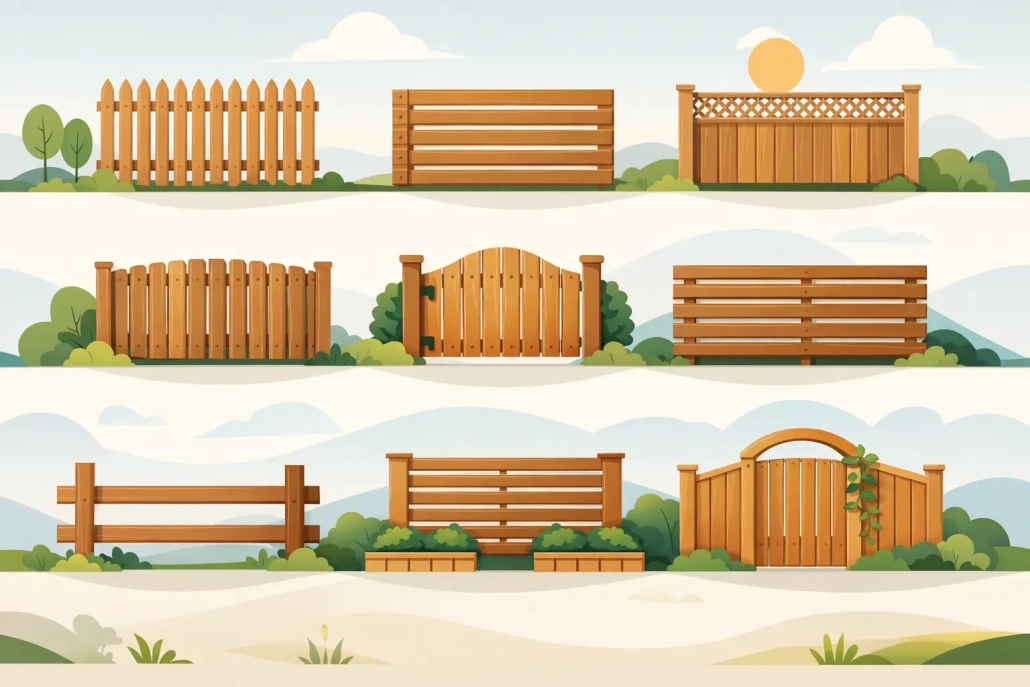
9 Cedar Fence Examples That Work
Some cedar fence examples look great in a photo and fall short on a real property. Others hold up because they match the site, the purpose, and the way the fence is built. That matters on Vancouver Island, where wind, rain, grade changes, and uneven ground can turn a simple fence into a more technical job.
If you are planning a new fence, the best place to start is with examples that solve a specific problem. Privacy, appearance, pet control, pool safety, boundary definition, and durability all point to different designs. Cedar gives you flexibility, but the right build still depends on layout, post spacing, height, gate placement, and site conditions.
Cedar fence examples for different properties
A good cedar fence is not just one style. It can be clean and modern, traditional and private, or more open and decorative. The strongest choice is usually the one that fits how the property is actually used.
Full privacy cedar fence
This is the option most homeowners picture first. Tight cedar boards, solid framing, and consistent height create a strong visual barrier and a quieter backyard feel. It works well for homes in town, side-yard separations, and backyards where neighbors are close.
The advantage is obvious – privacy, security, and a finished look. The trade-off is weight and wind load. On exposed sites, post depth and structural support matter more than the picket style. A privacy fence built on flat ground is one thing. A privacy fence on a windy property with slope changes is another.
Board-on-board cedar fence
Board-on-board is a strong choice when you want privacy without the plain flat look of a standard solid panel. The overlapping boards add depth and help reduce direct sightlines, even as boards move slightly over time with weather changes.
This style suits higher-end residential properties and clients who want a more refined finish. It uses more material, so the price is usually higher than a basic privacy fence. Still, for many owners, the added appearance and coverage are worth it.
Horizontal cedar fence
Horizontal cedar fencing has become a popular option for modern homes and renovated outdoor spaces. The lines are clean, the profile is current, and it pairs well with simple landscaping and contemporary architecture.
That said, a horizontal fence needs careful construction. The spans, rails, and fastening details all matter. If the layout is not handled properly, the finished fence can look uneven or start to move over time. This is a style where craftsmanship shows right away, for better or worse.
Good neighbor cedar fence
When a fence sits on a shared property line, many owners want both sides to look finished. A good neighbor cedar fence is designed so the structure presents well from either side, rather than leaving one side with exposed rails.
This is a practical choice in subdivisions, duplex properties, and any situation where appearance matters to both neighbors. It can also help avoid disputes over who gets the “better” side. The design is simple, but the layout still needs to be precise so the finished fence looks balanced from end to end.
Cedar picket fence
Not every cedar fence needs to be tall and fully enclosed. A cedar picket fence creates definition and curb appeal without closing the property off completely. It works well for front yards, garden borders, heritage-style homes, and properties where a lighter look makes more sense.
Picket fencing is more about boundary and character than privacy. It is a strong fit when you want a welcoming appearance and enough structure to guide access or contain pets in a front space. The style can be classic or more custom depending on picket spacing, top profile, and gate design.
Lattice-top cedar fence
A lattice-top fence gives you the privacy of a solid lower section with a more open finish at the top. It softens the look of a tall fence and can make the overall build feel less heavy around patios and outdoor living areas.
This is a good option when you want screening but do not want the backyard to feel boxed in. It can also work well where local height limits affect the design. The key is proportion. Too much lattice and you lose privacy. Too little and the decorative detail does not really change the look.
Cedar fence examples for tougher site conditions
On Vancouver Island, many fence projects are not laid out on simple flat lots. Retaining edges, rock, concrete, tree roots, and grade changes all affect the way a cedar fence should be built.
Stepped cedar fence on a slope
A stepped fence keeps each section level while the fence drops in stages as the ground falls. This is often the cleanest choice for sharper grade changes. It gives the fence a structured look and avoids awkward rails that run at inconsistent angles.
The trade-off is the gaps that can appear under the fence as the ground slopes away. For privacy or pet containment, those gaps may need to be addressed in the design. A stepped fence can look excellent, but it has to be planned around the actual grade, not just a rough property line sketch.
Racked cedar fence for gradual grade changes
On a gentler slope, a racked fence may be the better option. In this style, the rails follow the angle of the ground so the fence line runs more smoothly across the property. It usually creates fewer visible gaps at the bottom.
This works best when the grade is consistent enough to allow the panels or framing to follow the slope without distortion. If the terrain changes too abruptly, a stepped layout may still be the better call. This is one of those cases where the right answer depends on the site, not just the style you prefer.
Cedar fence with heavy-duty posts and custom footings
Some properties need more than standard post installation. Rocky ground, existing concrete, retaining walls, and exposed windy areas can all call for custom footing work, drilling, or reinforced post setups.
This type of build may not change the look of the cedar fence much, but it changes how well it performs. A fence is only as good as its structure. On difficult sites, that often means more planning below grade and more technical installation than most people expect at first glance.
Choosing the right cedar fence example for your needs
The best design starts with the job the fence needs to do. If privacy is the goal, full-panel and board-on-board styles usually lead the list. If appearance from both sides matters, a good neighbor design makes more sense. If curb appeal is the main priority, picket or horizontal cedar may fit better.
Use also matters. A backyard for kids and dogs may need tighter gaps and stronger gates. A side-yard divider may need full height in a narrow run. A front yard fence often needs to balance openness with appearance. For larger rural or semi-rural properties, cedar may be used in key visible areas while other fencing types handle broader perimeter control.
Budget should be part of the conversation early. Cedar offers a premium look and solid long-term value, but not every style costs the same to build. Taller fences, custom gates, decorative tops, premium grades of cedar, and challenging terrain all affect price. It is better to match the design to the property and the budget than to overbuild one section and underbuild another.
What makes a cedar fence last
Material matters, but installation matters just as much. Good cedar still needs proper post depth, solid rails, clean fastening, and careful attention to drainage and ground contact. A fence that looks straight on day one should still look straight after wet seasons, dry spells, and years of regular use.
Finish is another decision point. Some owners prefer cedar to weather naturally into a softer gray tone. Others want to stain and maintain the warm wood color. Neither choice is wrong, but each comes with a different maintenance path. If you want the original cedar look to last longer, plan for upkeep instead of treating it as a one-time decision.
Custom work also matters more than many people think. Gates, transitions, retaining edges, tie-ins to existing structures, and unusual property lines are where a standard fence package often falls short. That is where an experienced crew can make the difference between a fence that merely fills space and one that fits the property properly.
For homeowners and property managers who want cedar fencing done right, the details are not extra. They are the job. Vancouver Island Fence Company works with everything from straightforward backyard installations to difficult sites that require drilling, concrete work, and custom problem-solving. If you can imagine it, we can build it.
The right cedar fence example is the one that makes sense on your property after the measurements, grade, layout, and daily use are all taken seriously. Start there, and the finished fence will do more than look good from the street.

