
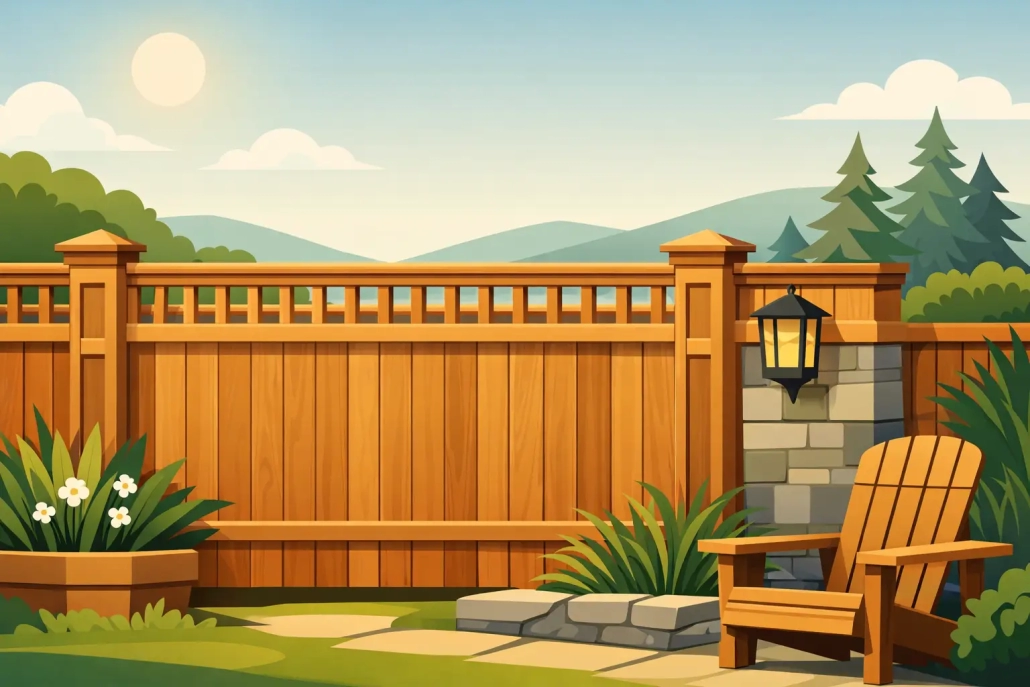
Cedar Craftsman Fence Ideas Built to Last
A cedar craftsman fence does more than mark a property line. It gives a home a finished, well-built look while creating the privacy and security Vancouver Island property owners need. With clean horizontal and vertical lines, solid posts, framed panels, and thoughtful cap details, this style suits everything from a newer Nanaimo subdivision to an established Courtenay home or a rural property near Parksville.
The best result comes from treating the fence as a structure, not a row of boards. Site conditions, drainage, wind exposure, material selection, and installation depth all affect how it performs over time. A craftsman-style fence should look intentional on day one and stay straight, solid, and attractive through wet winters and dry summer months.
What Defines a Cedar Craftsman Fence?
Craftsman fencing is known for proportion and detail. Rather than using plain, unframed fence panels, it typically combines substantial posts with rails, trim boards, top caps, and inset sections. The design feels sturdy without looking heavy.
Cedar is a natural fit for this style. Its warm color and distinct grain bring character that manufactured materials cannot fully replicate. It is also naturally resistant to decay and insects, making it a practical choice for many local residential applications. Cedar will weather to a soft gray if left unfinished, or it can be stained to retain a richer tone.
A common layout uses 4×4 or 6×6 posts, a framed privacy panel, and a cap running across the top. Some homeowners choose a solid lower section with a decorative lattice or horizontal slat detail above it. Others prefer a fully private panel with simple trim for a more contemporary craftsman appearance.
The right design depends on what the fence needs to do. A front-yard boundary may benefit from an open upper section that keeps the property welcoming. A backyard privacy fence generally needs tighter board spacing and enough height to block sightlines from neighboring decks or windows.
Start With the Property, Not the Pattern
A fence design that looks good on a flat lot may need significant adjustment on a sloped, rocky, or uneven property. This is especially true across Vancouver Island, where grades, bedrock, mature trees, and drainage conditions can change quickly from one yard to the next.
Before choosing a panel style, consider the property lines, required fence height, gate locations, underground services, and existing retaining walls. A fence may need to step down a slope, follow the grade, or incorporate a retaining solution. There is no single correct approach. Stepped panels create crisp, level lines, while racked or contour-following sections can better suit gradual slopes.
Wind also matters. A tall solid cedar fence catches more wind than an open picket or lattice design. On exposed properties, post size, post depth, rail layout, and concrete footing requirements should be planned for the actual conditions. A decorative cap will not compensate for undersized posts or weak foundations.
If the site includes hard ground, rock, or old concrete, installation can require more than a standard post-hole digger. Professional crews can assess whether jackhammering, concrete drilling, or other site work is needed before the build begins. That preparation avoids surprises once materials are on site.
Choosing the Right Cedar and Construction Details
Not all cedar fence materials perform the same way. Clear cedar offers a refined, uniform appearance with fewer knots, while knotty cedar provides a more natural, rustic character at a lower material cost. Both can work well in a craftsman design. The choice comes down to appearance, budget, and how much visual variation you want across the fence.
For a clean, durable build, the structure behind the boards deserves as much attention as the visible face. Posts should be properly set and aligned, rails should be securely fastened, and framed sections should have enough support to resist movement. Gates need extra planning because they carry repeated load every day. A sagging gate can make an otherwise excellent fence feel unfinished.
Cedar boards expand and contract with moisture changes. Proper spacing helps panels shed water and allows the wood to move naturally. Fasteners should be selected for exterior use and local weather exposure. Poor-quality fasteners can stain cedar or loosen over time, taking away from the finished appearance.
Top caps are one of the most useful craftsman details. They provide a strong horizontal line, protect exposed end grain, and give the fence a more substantial profile. Post caps can add a finished look as well, but they should match the scale of the fence. Oversized decorative hardware on a modest backyard fence can feel out of place.
Privacy, Light, and Airflow
A fully solid fence delivers maximum privacy, but it can make a smaller yard feel enclosed and create more wind pressure. If privacy is the goal without closing off the space, consider a solid lower panel with an open upper detail. Narrow horizontal slats, spaced lattice, or a framed trellis section can allow light and airflow while maintaining a clear boundary.
This approach works particularly well where neighboring homes sit close together. The lower portion handles the direct sightline, while the upper detail preserves a more open feel. It can also create a better backdrop for gardens, patios, and outdoor living areas.
For acreage and rural properties, a cedar craftsman fence may be best used near the house, driveway, or main outdoor area. The rest of the property may need a different solution, such as deer fencing, wire fencing, or chain link, depending on animal control, security, and budget. Matching every boundary with decorative cedar is not always the most practical investment.
Finishing and Maintaining Cedar
Cedar is durable, but it is not maintenance-free. Rain, sun, moss, and seasonal moisture all affect the surface over time. A good finish can slow weathering and help preserve the color, while a natural-weathered finish can be an attractive low-intervention choice.
If you plan to stain the fence, choose a product intended for exterior cedar and apply it once the wood is suitably dry. Transparent and semi-transparent stains show more of the grain, while solid stains create a more uniform color. The best option depends on whether you want to highlight the natural cedar or coordinate closely with the home exterior.
Periodic care is straightforward. Keep soil and mulch from building up against the boards, clear vegetation that traps moisture, and inspect gates and post caps after severe weather. A quick check each spring can catch loose hardware, settling, or surface wear before it becomes a larger repair.
Avoid treating maintenance as an afterthought during design. If the fence is difficult to access behind shrubs, tight side yards, or retaining walls, future staining and repairs become more complicated. Planning reasonable access around the fence line is a practical detail that pays off over the years.
When Professional Installation Makes the Difference
A simple fence can become complicated quickly when the property has elevation changes, rock, existing structures, drainage concerns, or long runs that must stay accurately aligned. Craftsman fencing shows poor installation more than basic utility fencing does. Crooked caps, uneven panel spacing, and poorly built gates stand out immediately.
Professional installation gives homeowners a clear plan for layout, material quantities, structural details, and site challenges before construction begins. It also helps ensure the finished fence fits the property rather than looking like a standard panel system forced into place.
Vancouver Island Fence Company has built fencing across Nanaimo, Campbell River, Parksville, Qualicum Beach, Courtenay, Comox, and surrounding communities since 1999. From a clean cedar privacy fence around a family backyard to a custom build on a difficult site, the focus is on workmanship that holds up and looks right.
A well-planned cedar craftsman fence should make the property feel more private, more complete, and easier to enjoy. Start with the conditions on your site, choose details that suit the home, and build the structure strong enough to earn its place for years to come.

