
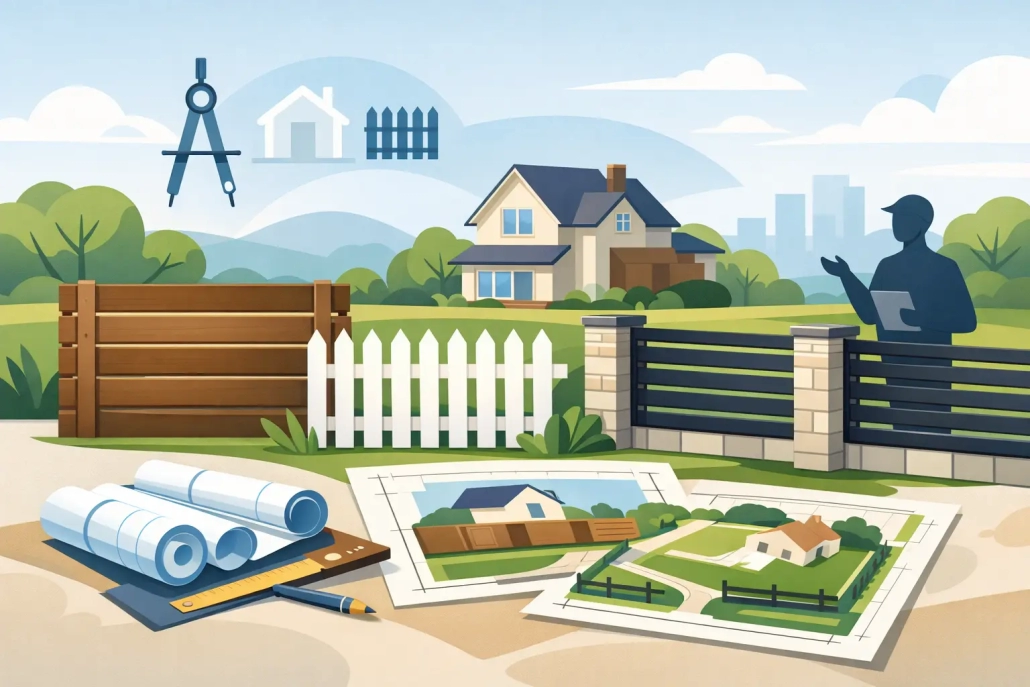
A Guide to Custom Fence Design for Your Property
A fence can look simple from the street, but the work that makes it last happens below grade and at every transition in the layout. A sloped Nanaimo backyard, a rocky Campbell River lot, or a damp boundary line near the coast all call for different decisions. This guide to custom fence design will help you plan a fence that suits your property, does its job, and holds up over time.
Start With the Job Your Fence Needs to Do
Custom design starts with function, not a style board. A privacy fence around a patio has different requirements than a perimeter fence for a rural property, a commercial security enclosure, or fencing intended to keep deer out of a garden. Knowing the primary job helps determine the material, height, post spacing, gate placement, and construction method.
Privacy is often the priority for residential yards. Cedar fencing is a popular choice because it brings warmth and natural character while creating a solid visual barrier. The right layout can also screen a neighboring deck, road traffic, utility equipment, or an awkward view without closing in the entire yard.
Security and containment require a different approach. Chain link, ornamental fencing, wire fencing, and purpose-built gates can be better choices where visibility, strength, access control, or animal management matter most. For acreage properties, deer fencing needs enough height and a well-planned perimeter to be effective. For commercial sites, the focus may be on durable materials, secure gates, and a layout that does not interfere with traffic flow or operations.
A good design can serve more than one purpose. For example, a homeowner may choose a cedar privacy fence around the main yard and a more open wire fence along a larger wooded boundary. The finished property feels cohesive, but the materials are doing the work where they make the most sense.
Guide to Custom Fence Design: Read the Site First
No two Vancouver Island properties are exactly alike. Before choosing panels or picking a fence height, look closely at grade, soil, drainage, access, existing structures, and buried services. These details affect both the appearance of the fence and the installation required to support it.
A level, open lot is straightforward. A property with bedrock, retaining walls, mature trees, sharp elevation changes, or limited side-yard access is not. In those cases, a fence contractor may need to drill concrete, jackhammer rock, set custom post depths, step the fence along the grade, or build sections to follow the contour of the land.
Drainage deserves special attention. Water should move away from posts where possible, especially in areas that stay wet through the fall and winter. Properly set posts and suitable footing work are not the most visible parts of a fence, but they have a major effect on stability. A well-built fence should not lean, rack, or suffer premature rot because site conditions were overlooked.
Property lines also need to be clear before construction begins. Do not assume an old fence marks the legal boundary. If there is any uncertainty, review available survey information or confirm the line before investing in a new build. This protects relationships with neighbors and prevents costly changes later.
Plan for Gates Before the Fence Is Installed
Gates are often treated as an afterthought. They should be part of the initial layout. Consider how people, lawn equipment, vehicles, garbage bins, pets, or service crews will move through the property. A narrow side gate may be enough for pedestrian access, while a double gate may be necessary for equipment, trailers, or commercial deliveries.
Gate posts carry more load than standard line posts, particularly on wide or frequently used gates. They need the correct hardware, bracing, and foundation work. A custom gate should operate cleanly from day one and continue to close properly after repeated use and changing weather.
Choose Materials for Performance, Not Just Appearance
Each fencing material has strengths. The best option depends on what you need the fence to handle and how much maintenance you are willing to take on.
Cedar is a strong fit for homeowners who want privacy and a natural finish. It can be built in many styles, from clean horizontal lines to traditional vertical boards, lattice tops, and picture-frame details. Cedar is not maintenance-free, however. Its color will weather naturally unless it is treated or stained, and the fence still depends on sound post installation and good airflow around the structure.
Ornamental fencing creates a refined, open look that works well around front yards, pools, commercial entries, and areas where sightlines matter. It provides definition and security without the closed-in feel of a solid privacy fence. It is a practical option when you want a durable perimeter but do not want to block views.
Chain link remains one of the most functional choices for larger areas, sports spaces, businesses, pet containment, and security applications. It is economical for many projects, handles demanding use well, and can be adapted with different heights, coatings, privacy slats, and gate configurations. It may not provide the curb appeal of cedar on its own, but it is hard to beat for utility.
Wire and deer fencing are built around specific containment needs. The right mesh size, height, tension, and post system depend on whether you are protecting gardens, managing livestock, containing dogs, or limiting wildlife access. A fence that is too short or poorly tensioned can defeat the purpose of the project, even if it initially looks finished.
Make Height, Layout, and Style Work Together
Fence height affects privacy, security, wind exposure, and local requirements. Taller is not always better. A tall solid fence may create the privacy you want, but it also catches more wind and can make a smaller yard feel boxed in. In some cases, a lower fence combined with strategic screening near a seating area gives better results than enclosing every boundary at maximum height.
The layout should respond to the property instead of forcing a straight line where one does not belong. A custom fence can step down a slope, follow a curve, frame a garden, create a protected dog run, or separate functional areas of a commercial site. Those choices should look intentional from both sides of the fence.
Think about the view from inside the property as well. The best fence designs consider what you will see from a kitchen window, patio, driveway, or entryway every day. Clean lines, aligned gate tops, consistent spacing, and properly finished corners make a noticeable difference. Small construction details are often what separate a fence that merely marks a boundary from one that improves the entire property.
Account for Local Rules and Neighboring Properties
Before finalizing a design, check the rules that apply to your location. Municipal bylaws, strata requirements, development guidelines, pool regulations, and utility easements can all affect fence height, placement, materials, and gate latching. Commercial properties may also have additional access or security requirements.
It is also smart to speak with adjacent neighbors when the fence sits on or near a shared boundary. A clear conversation about the proposed height, style, timeline, and access needs can prevent misunderstandings. If the design includes a finished face, decide which direction it will face based on the layout and any agreement between owners.
Invest in Installation That Matches the Design
Even the right material can fail when installation is rushed. Posts must be positioned accurately, set to the right depth, and supported for the soil and exposure conditions. Rails, panels, wire tension, hardware, and gate framing all need to work as one system.
This is where an experienced contractor matters most on difficult sites. Rock, concrete, uneven grades, tight access, and custom transitions are manageable when the crew has the equipment and practical knowledge to deal with them. Vancouver Island Fence Company has worked on residential, rural, and commercial installations across the Island since 1999, including projects that require drilling, jackhammering, and problem-solving beyond a standard fence build.
Ask for a detailed quote that explains the scope of work, materials, approximate layout, gate requirements, and any site conditions that may affect the installation. A clear estimate helps you compare proposals based on construction quality, not just a bottom-line number.
A custom fence is worth planning carefully because it becomes part of how your property works every day. Bring photos, measurements, and a clear idea of the problems you want solved to your estimate appointment. From there, the right design can turn an exposed, awkward, or hard-to-manage boundary into a finished space built for the way you live or work.

